Rwanda: The Impact of USAID Funding Cuts on the Health of Rwandans
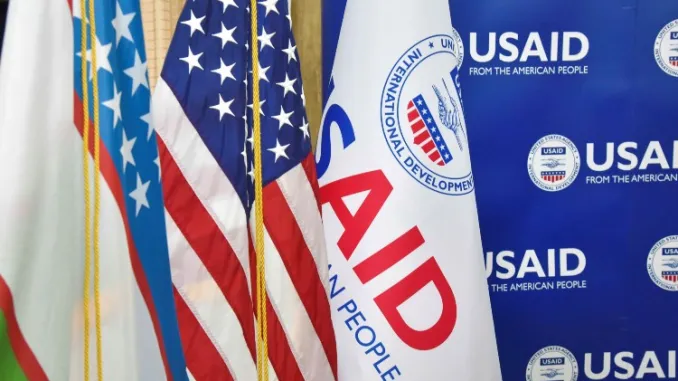
After decades of life-saving support, a quiet shift in American aid is threatening Rwanda’s most vulnerable. From the dusty roads of Nyagatare to busy clinics in Gasabo, citizens are feeling the impact, not just in missed medicine, but in lost hope. What was once a reliable health lifeline is now a source of growing uncertainty.
For over 20 years, the United States Agency for International Development (USAID) played a central role in supporting Rwanda’s health sector, notably in the fight against HIV/AIDS, malaria, and child malnutrition. But as USAID reduces or suspends support across several programs, a growing number of Rwandans and health professionals are warning: the consequences are becoming real.
Amahumbezi News visited multiple regions of Rwanda, collecting testimonies from patients, frontline workers, and national experts to understand how this shift is affecting lives on the ground.
“We are afraid again”
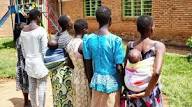
In Nyagatare District, Bugaragara Sector, Manyobwa, a mother living with HIV, shared her fears over the uncertainty of ongoing treatment. “We heard the project that gives us medicine had stopped support, and we got scared,” she said. “Meeting others at the health center used to give us strength. Now some are even skipping visits, afraid they’ll be told there’s no medicine. It’s stressful.” In Gatebe Cell, another mother, Joseline Uwase, described a spike in recurring malaria infections that don’t seem to go away with treatment.
“Malaria keeps coming back, you feel better for a few days, then it returns. We wonder if the medicine no longer works. We’re always sick, tired, and confused.”
In Gasabo District, a community health worker in Kagugu Cell, Kinyinya Sector, confirmed that malaria has become more aggressive, and resources are stretched thin.“Malaria is extremely serious now,” she said. “People don’t always recover after one treatment. We often give a second round before the first is finished. Test kits are running out faster. Even blood tests now show more severe infections. It’s getting harder.”
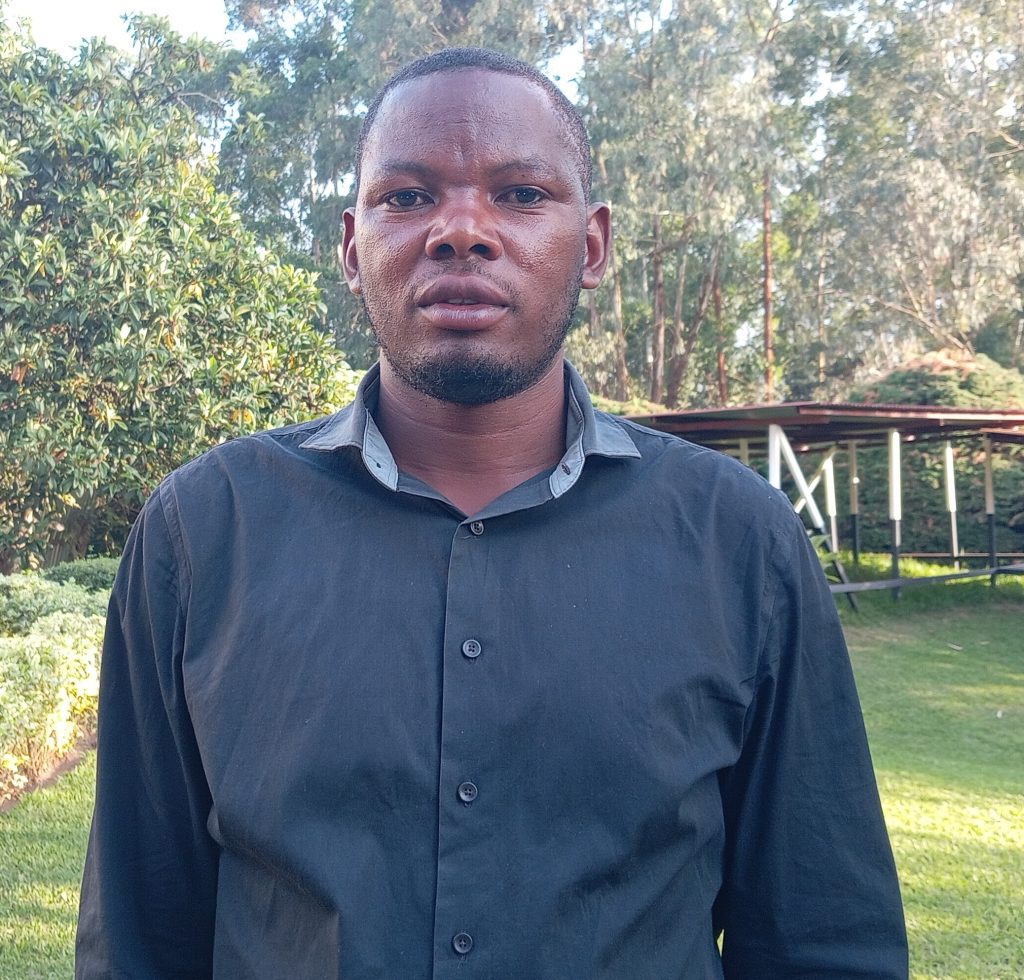
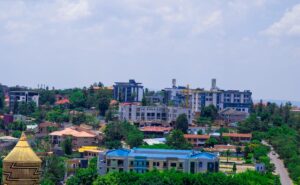
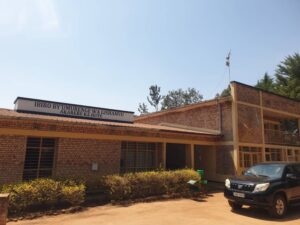
At Nyacyonga Health Center in Gasabo, the head of the facility, Jean Claude Akayezu, acknowledged growing concern over malaria due to a halt in mosquito net distribution. “ARV medicine and other core services continue without issue thanks to government support,” he said. “But mosquito nets, we haven’t received any in months. Malaria cases are increasing, but we trust the government is working on a solution.”
A broken chain: More than just medicine
For those living with HIV, the effects of even rumored aid cuts have been deeply personal. Clementine, 39, has been on ARV treatment for 12 years. The moment she heard USAID might pull support, she panicked.“This medicine is my life. Without it, I feel like I’d die. The news really shook me.”
Pascal, 27, pointed to a decline in community-based services like home visits and routine testing. “We used to get tested every month. Now fewer people come, and sometimes we leave without being tested. It discourages us and affects our mental health. Some people lose motivation to work or engage in life.”
At Nyagatare Hospital, Director Dr. Eddy and Communications Officer Kaberuka Telesphore confirmed that while ARVs remain in stock, many program-related activities have been scaled back. “We’ve had no major disruption in medicine distribution,” Dr. Eddy said. “But follow-ups and service coordination have decreased because of budget constraints.”
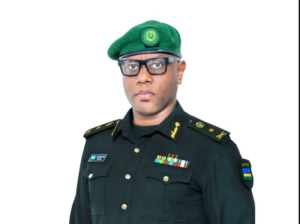
Health Minister Dr. Sabin Nsanzimana reassured the public that Rwanda remains committed to sustaining key services, regardless of external aid fluctuations. “The Government of Rwanda never relied 100% on aid. Sustainable solutions are in motion. New mosquito nets will be distributed in the coming months.”
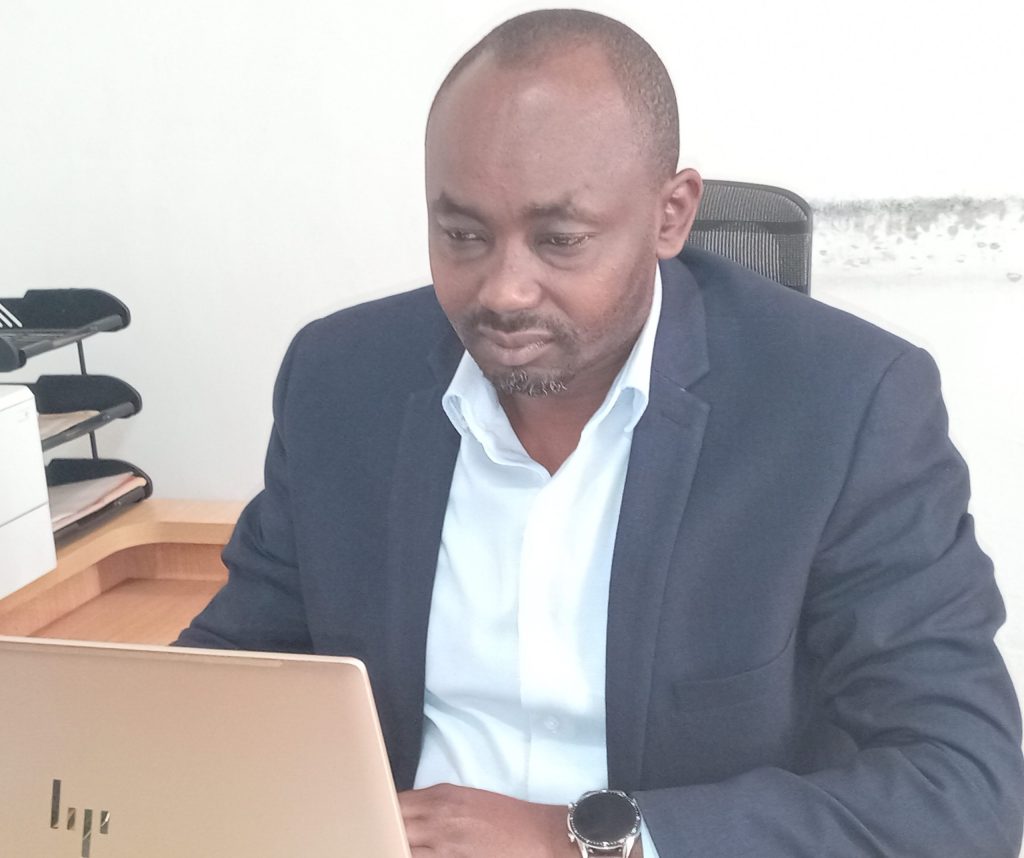
Deo Mutambuka, Executive Secretary of the Rwanda Network of People Living with HIV (RRP+), stressed that while medicine remains available, other impacts are unavoidable. “To say USAID’s role was small would be false,” he said. “When support stopped, people panicked. But ARVs are still free, and anyone who misses treatment should call our toll-free number, 1245.”
RRP+ currently monitors about 76% of people living with HIV in Rwanda, more than 160,000 individuals. Mutambuka emphasized that most patients are still being supported, unless they default on appointments. He also highlighted that community-based programs, especially those involving youth outreach and education, have been reduced or cut.“Many youth earned a small income doing HIV prevention work in villages. That’s gone now. But we continue to work with the government, faith groups, and others to find local solutions.”
Even within clinics, he said, services have been narrowed. “We serve fewer people per session now, focusing on those most in need. But medicine is still here. No one should fear.”
The gap is not only about medicine: it’s about life
Experts in global health warn that aid cuts do more than disrupt medical services, they destabilize entire communities. Dr. Chris Beyrer, a Johns Hopkins researcher, told Global Health Now that reductions in PEPFAR and USAID funding can spark broader economic distress.“This isn’t just about medicine. It affects jobs, food, productivity, and the future. When people can’t work or access care, entire communities suffer.”
Not far from this, Dr. Claude Numuvunyi, a Rwandan physician and researcher, echoed that message in an interview with The New Times. “When follow-up services stop, viral loads can increase, leading to more new infections. We risk reversing national progress.”
The scale of USAID’s previous involvement in Rwanda’s health sector underscores what’s at stake. According to the Rwanda Biomedical Centre (RBC), the agency supported more than 204,000 people living with HIV every year, ensuring consistent access to antiretroviral therapy.
In the fight against malaria, USAID provided over 2.5 million mosquito nets, and helped implement mosquito-control measures in 327,000 households across the country, critical protection for families in both rural and urban areas.
In building Rwanda’s health workforce, USAID funded training for more than 6,000 community health workers and 355 health facility staff, strengthening the country’s ability to deliver essential care even in remote regions.
Beyond clinical services, the DREAMS initiative (Determined, Resilient, Empowered, AIDS-free, Mentored, and Safe), a flagship USAID-funded program, reached over 82,500 adolescent girls and young women, equipping them with tools to avoid HIV infection, stay in school, and improve their overall well-being.
As these figures reveal, the aid wasn’t just about short-term medical support, it helped lay the foundation for healthier, more resilient communities. And as that foundation is shaken, the urgency to build local capacity becomes more evident than ever.
A crossroads for Rwanda’s Health System
The reduction in USAID support has exposed a critical truth: while Rwanda has made impressive strides in health, its future depends on strengthened self-reliance and sustainable funding. Citizens have voiced serious concerns about their health, dignity, and survival. But leaders and experts agree, this is not the end of progress. With strong collaboration between government, civil society, private sector, and remaining international partners, Rwanda can chart a resilient path forward. “This gap is not only about medicine. It’s about life itself. But Rwanda has always found solutions, and we still will, ” said Deo Mutambuka.
Ingabire Alice