Rwanda urged to tighten laws on mercury use in gold mining
Rwanda has been urged to strengthen laws and measures to prevent the use and illegal trade of mercury, as concerns grow that gaps in the law could undermine the progress made in promoting mercury-free gold mining.
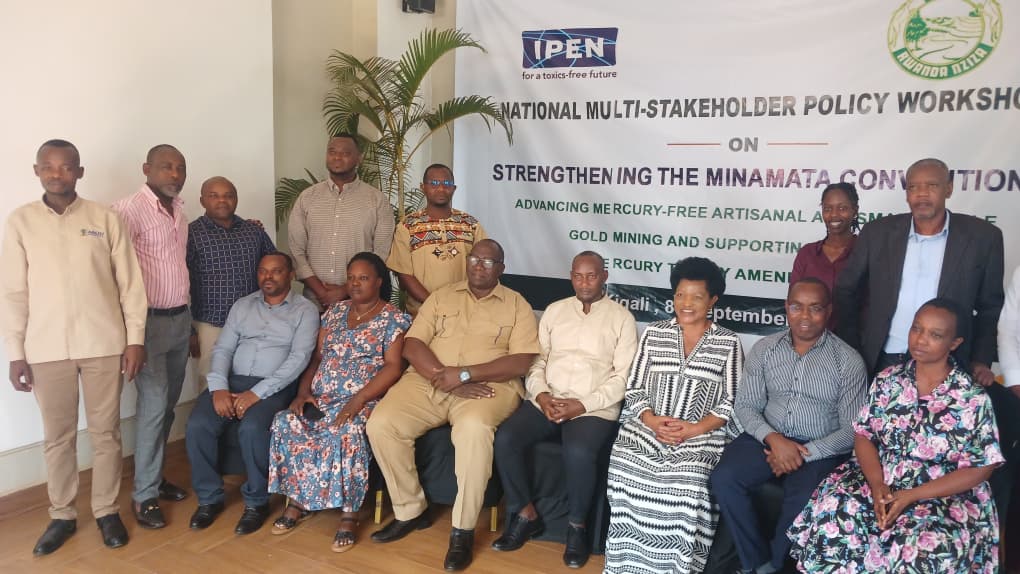
The call was made during a one-day national policy workshop held in Kigali on September 8, 2026, bringing together government officials, civil society organisations, miners, health experts, researchers, development partners and journalists.
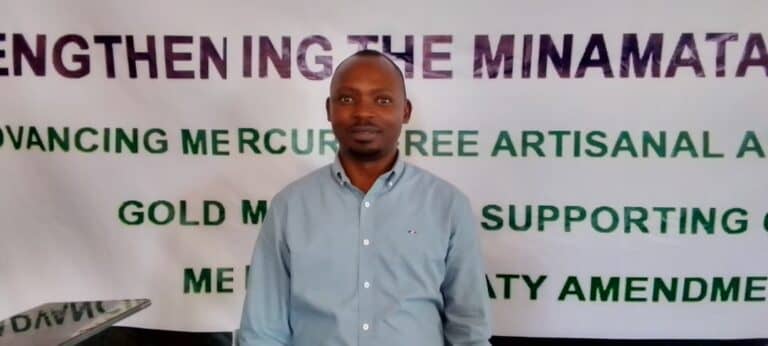
The workshop, titled National Multi-Stakeholder Policy Workshop on Strengthening the Minamata Convention: Advancing Mercury-Free Artisanal and Small-Scale Gold Mining and Supporting Global Mercury Treaty Amendments, was organised by ARECO-RWANDA NZIZA in partnership with the International Pollutants Elimination Network (IPEN).
The seminar focused on how Rwanda can maintain its progress in reducing mercury use in artisanal and small-scale gold mining while contributing to efforts to strengthen international rules on mercury.
Gap in the law
Balthazar Twagilimana, Vice Chairman of ARECO-RWANDA NZIZA, said Rwanda had made important progress in reducing mercury use in gold mining, but warned that a legal gap could put those gains at risk.
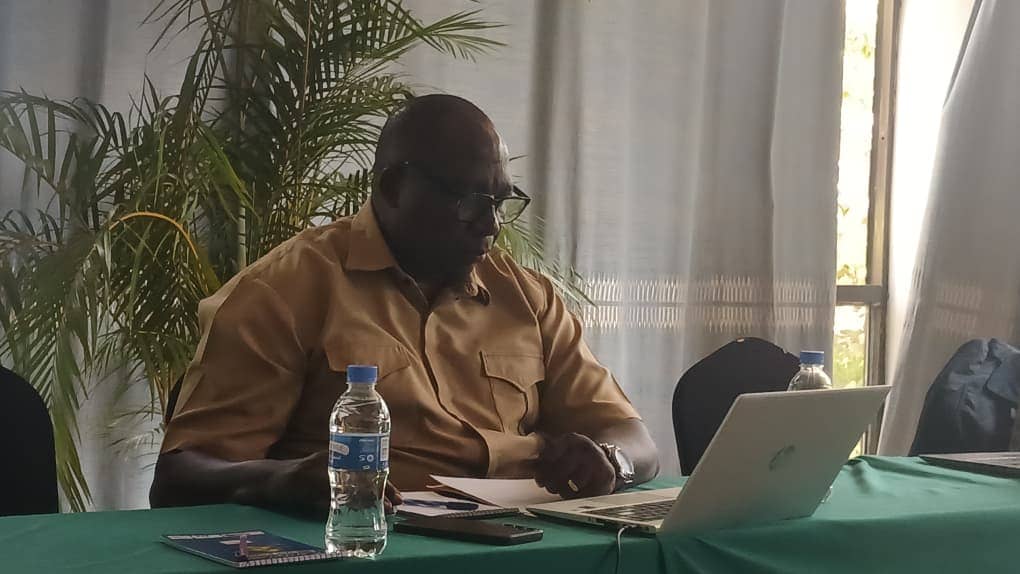
He said there was no specific provision preventing the importation or use of elemental mercury, although Rwanda has other laws covering chemicals, waste and substances that can harm human health and the environment.
“The responsibility we have now is to protect the progress we have made, address the remaining challenges and make sure the country does not lose momentum and return to the use of mercury in the future,” Twagilimana said.
He said the gap could create a risk of mercury entering Rwanda illegally, particularly because the chemical is still used in gold mining in some countries in the region.
Twagilimana said illegal mercury trade and its use in mining should not be seen as a problem for neighbouring countries alone because they could also affect Rwanda’s efforts to keep its gold mining sector mercury-free.
Mercury poses health and environmental risks
NGIRABAKUNZI Octavien, who represented the Rwanda Environment Management Authority (REMA) at the workshop, said mercury is a toxic substance that can seriously affect human health and the environment.
He said exposure to mercury can damage the brain, kidneys, lungs and nervous system and may affect brain development and functioning.
Mercury can also contaminate soil, water and air. When it reaches water, it can be converted into methylmercury, which can accumulate in aquatic organisms and move through the food chain.
This means that mercury pollution is not only a concern for miners. It can also affect communities living near mining sites and the wider environment.
Rwanda has made progress
Rwanda ratified the Minamata Convention on Mercury in 2017. The international treaty seeks to protect human health and the environment from the harmful effects of mercury.
As part of its commitments under the convention, Rwanda developed a National Action Plan (NAP) for artisanal and small-scale gold mining in 2023.
The plan focuses on reducing mercury use, promoting mercury-free technologies, supporting legal mining activities, protecting miners’ health and strengthening monitoring of the sector.
Research conducted as part of the NAP found that mercury was no longer widely used in Rwanda’s gold mining sector, a development described at the workshop as an important step in protecting people and the environment.
Participants, however, said continued efforts were needed to ensure that the progress is not reversed.
Rwanda already has laws and regulations covering environmental protection, mining and occupational safety. These include Law No. 48/2018 of August 13, 2018, on Environment, as well as Ministerial Order No. 003/2021, which provides a list of chemicals and other substances that may harm human health and the environment.
In the mining sector, Law No. 072/2024 of June 20, 2024, governing mining and quarry operations also contains provisions related to environmental protection.
There are also standards such as RS 117-2:2024, which sets requirements for health and safety in mining operations.
Access to technology remains a challenge
REMA said mercury management cannot be addressed through stronger penalties and laws alone.
The country still faces limited capacity to monitor mercury in water, soil, waste and air. There is also a need for better information on artisanal and small-scale gold mining activities and the amount of mercury that may be used.
Small-scale miners also face financial challenges in accessing technologies that can process gold without mercury.
Some miners need more technical knowledge and training to adopt mercury-free methods of gold processing.
Participants therefore called for stronger monitoring of the health of miners and communities living near mining sites.
ARECO-RWANDA NZIZA said efforts to eliminate mercury should also address other challenges in the mining sector, including mine safety, occupational health, silica dust exposure and limited access to protective equipment.
Calls to strengthen global action
The workshop also discussed proposals by IPEN and the UN Special Rapporteur on toxics and human rights to strengthen international action on mercury.
Among the proposals is a call to stop international trade in mercury, except for activities related to its safe storage and environmentally sound disposal.
Another proposal is to set 2032 as the deadline for ending the use of mercury in artisanal and small-scale gold mining worldwide.
Participants were encouraged to contribute to the discussions and share Rwanda’s experience in promoting gold processing methods that do not rely on mercury.
The organisers said the discussions would help Rwanda develop recommendations to protect its progress towards mercury-free gold mining and contribute to efforts to strengthen the implementation of the Minamata Convention.
By Alphonse Munyankindi